
The Energy Trilemma Also Applies to Electric Trucks

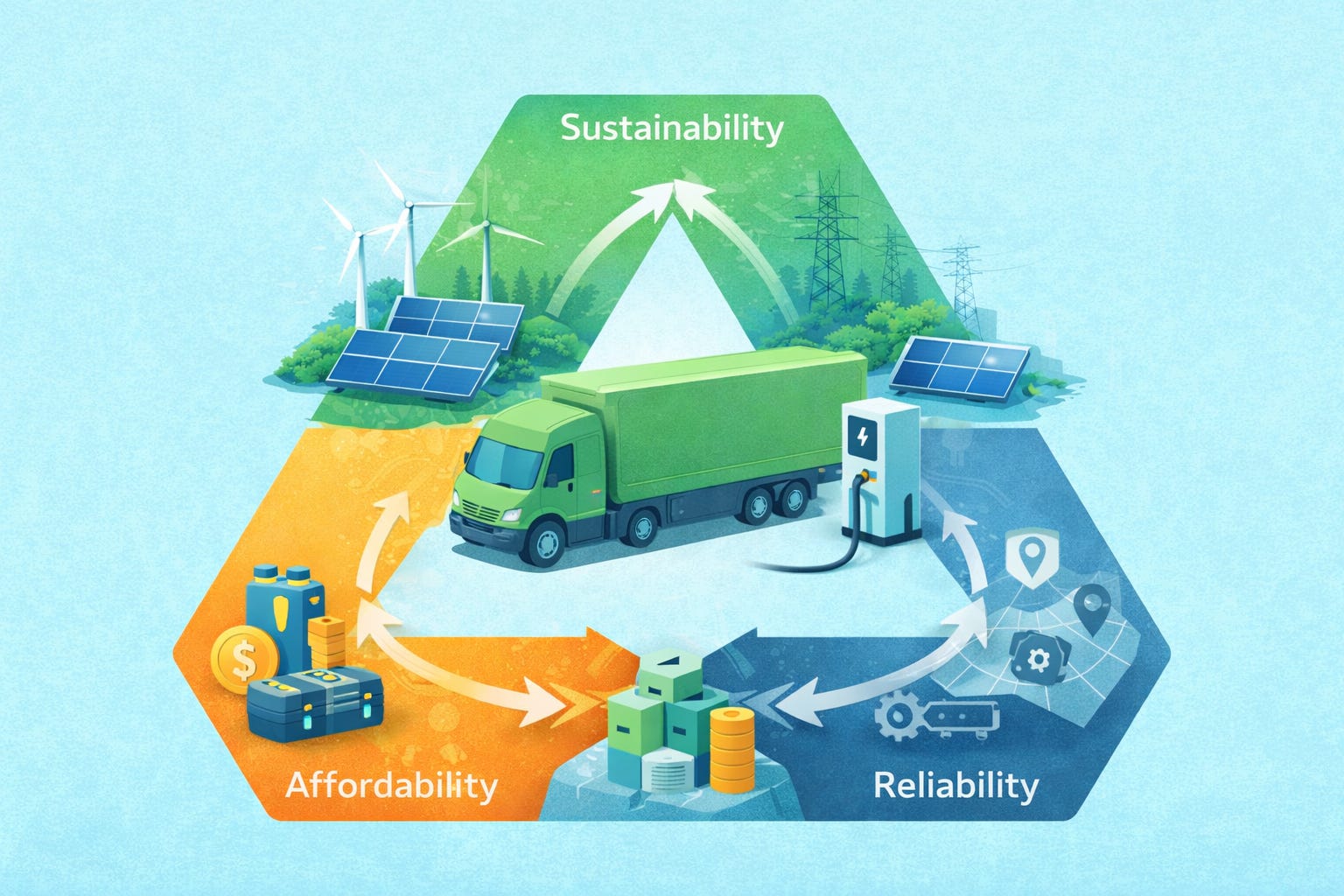
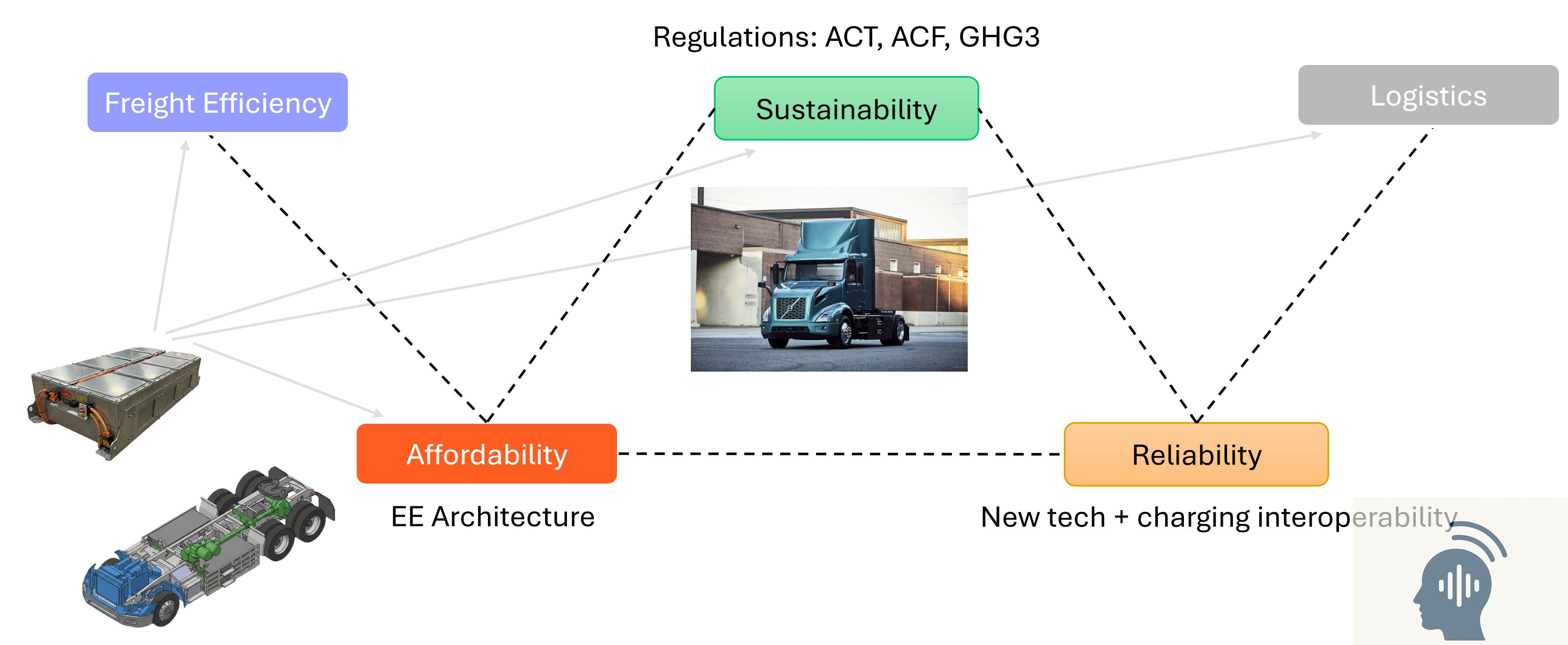
The energy trilemma — sustainability, affordability, and reliability — is usually discussed in the context of power generation, grids, and energy markets. The framework is simple but powerful: improving one dimension often creates pressure on the others.
What is becoming increasingly clear is that the same energy trilemma is also applicable to downstream markets, including the automotive sector. Heavy-duty electric trucks offer a particularly clear example of how these trade-offs show up at the product level.
Why heavy-duty trucks matter
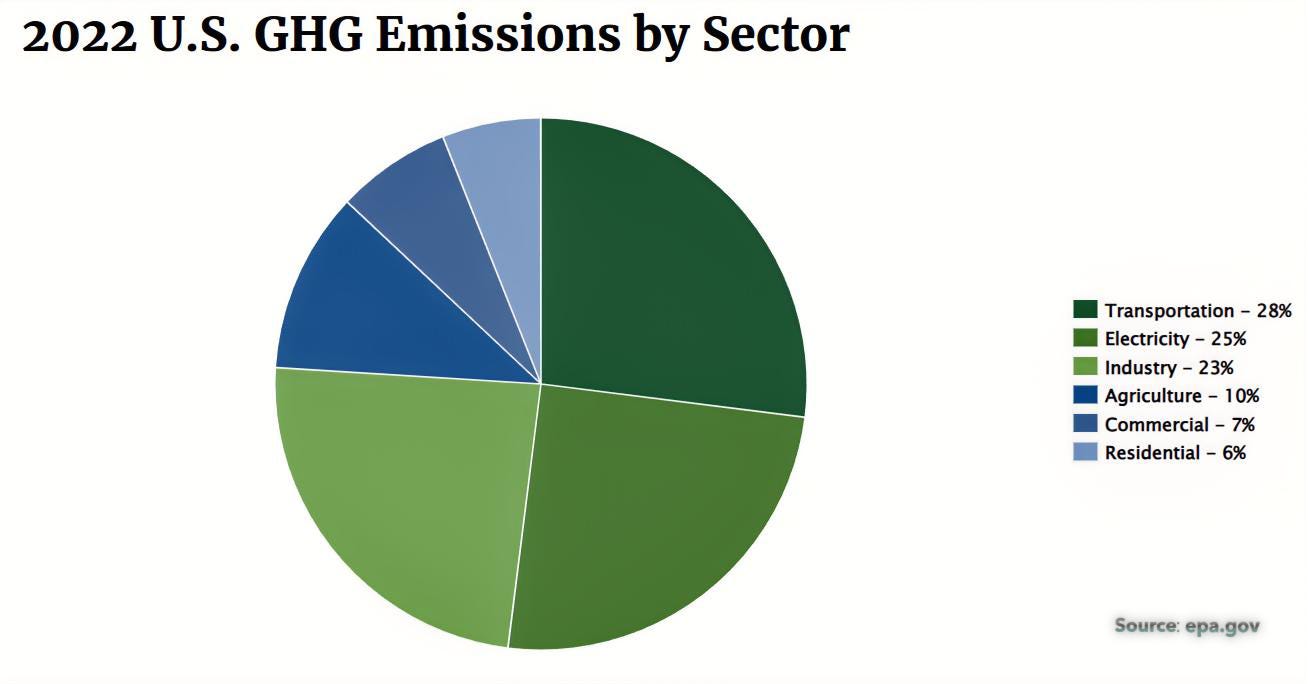
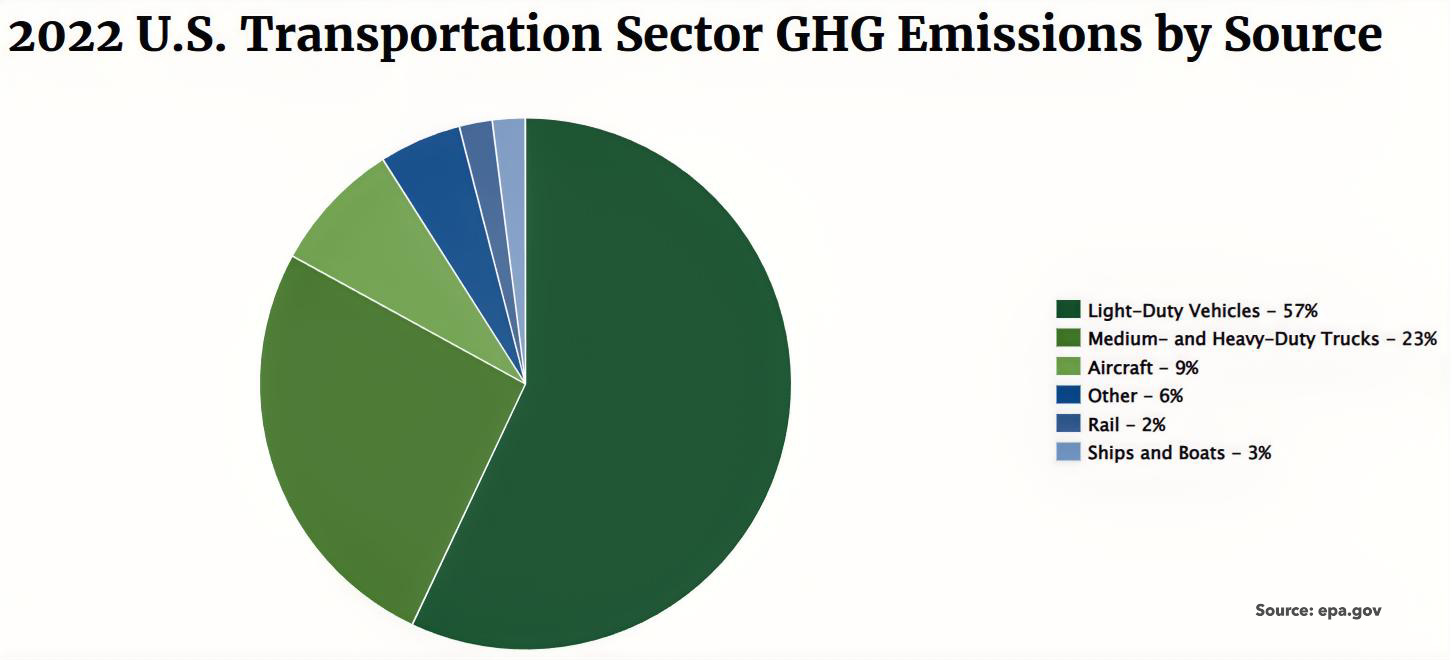
Transportation is the largest source of greenhouse gas emissions in the United States. Within transportation, heavy-duty trucks represent a relatively small share of vehicles but a large share of emissions per vehicle. That is why trucks are often a priority in decarbonization policies.
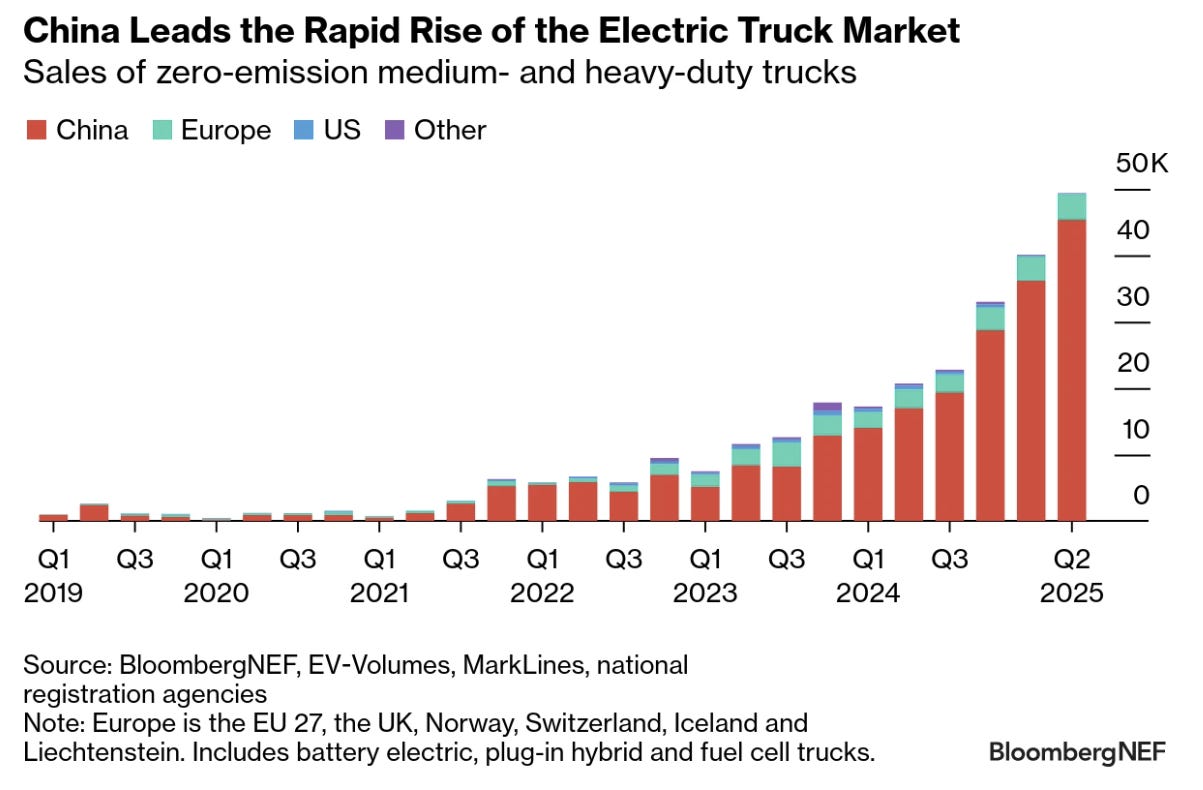
At the same time, adoption of electric trucks is uneven across regions. China has achieved scale, Europe is making visible progress, and the U.S. remains early in adoption. This gap cannot be explained by demand alone. It reflects deeper structural constraints.
Applying the energy trilemma to electric trucks
Sustainability
Electric trucks clearly reduce tailpipe emissions. This is why regulations such as ACT, ACF, and GHG Phase 3 exist. In this sense, sustainability is largely policy-driven. Regulation sets direction and creates pressure for technology change.
However, policy does not determine cost or feasibility on its own. Those outcomes depend on technology and systems.
Affordability
Affordability is one of the hardest challenges for electric trucks. Batteries dominate vehicle cost, and they also dominate vehicle weight. A long-range electric truck battery can weigh several times more than a diesel fuel system, directly affecting payload and total cost of ownership.
This is not a marginal issue. Battery cost and battery weight define whether electric trucks can compete economically in many duty cycles.
Reliability
Electric trucks are still early in their lifecycle. New vehicle architectures, limited charging infrastructure, and charging interoperability issues introduce uncertainty for fleets that depend on uptime. Reliability today is not just about the truck itself — it depends on the entire energy and charging ecosystem around it.
The “+2” constraints specific to trucking
Beyond the classic energy trilemma, heavy-duty electric trucks face two additional constraints that matter in daily operations.
Freight efficiency
Battery weight replaces revenue-earning payload. For many fleets, losing payload capacity has a direct and immediate economic impact.
Logistics
Charging time, route planning, and infrastructure availability change how trucks are dispatched and utilized. These logistics constraints are tightly coupled to battery performance and charging systems.
Together, these five factors shape whether electric trucks work in real-world operations.
Why this is a value-chain problem
A key insight is that the challenges show up downstream, but the causes sit upstream.
OEMs are asked to deliver trucks that meet emissions targets, are affordable for fleets, and are reliable in operation. However, the binding constraints sit upstream in the value chain: battery chemistry, raw materials, manufacturing scale, and energy systems and infrastructure. No single company controls all of these elements.
This misalignment between responsibility and control is why heavy-duty electrification is fundamentally a value-chain problem, not just a vehicle problem.
Why batteries matter more than any single component
Across the energy trilemma — and the additional constraints of freight efficiency and logistics —
battery technology is the dominant coupling point.
Battery cost directly determines affordability.
Battery weight directly impacts payload and freight efficiency.
Battery size and charging behavior reshape logistics and routing.
Battery materials and manufacturing influence sustainability outcomes.
And while reliability is not solely a battery issue, battery aging and degradation introduce real uncertainty over long vehicle lifetimes.
In other words, battery technology influences four — and partially five — of the core constraints facing electric trucks.
What about next-generation batteries?
New battery technologies — solid-state, lithium-sulfur, sodium-ion, and others — can help reduce some constraints. But none fully eliminate supply-chain risk or manufacturing challenges. In most practical battery systems suitable for trucks, lithium remains a core material.
Technology improvements matter. But industrialization matters just as much. Without scale, cost learning, and resilient supply chains, even better batteries struggle to change system outcomes.
The takeaway
Electric trucks are not failing. They are exposing trade-offs.
The energy trilemma still applies — and it is also applicable to the automotive market, especially heavy-duty vehicles. In electric trucks, the trilemma shows up through batteries, freight efficiency, logistics, and value-chain constraints.
If electric trucks are to scale, the challenge must be treated not only as a vehicle or policy issue, but as an energy, industrial, and systems problem.